


Plant Fiber Molded Cup Lids: Leading the New Trend of Sustainable Packaging
Technical Characteristics of Plant Fiber Molded Cup Lids

Plant fiber molded cup lids represent an innovative and eco-friendly solution for beverage packaging, primarily made from renewable plant fibers such as bagasse and bamboo fiber. According to the GB/T 36787-2018 standard, the plant fiber content of such products should be no less than 80%. With the global advancement of the green economy, this product has become an important tool in addressing plastic pollution.
I. Material Composition and Process Advantages
Plant fiber molded cup lids are primarily made from renewable plant fibers with specific material ratios and advanced production processes that ensure both environmental sustainability and functional performance.
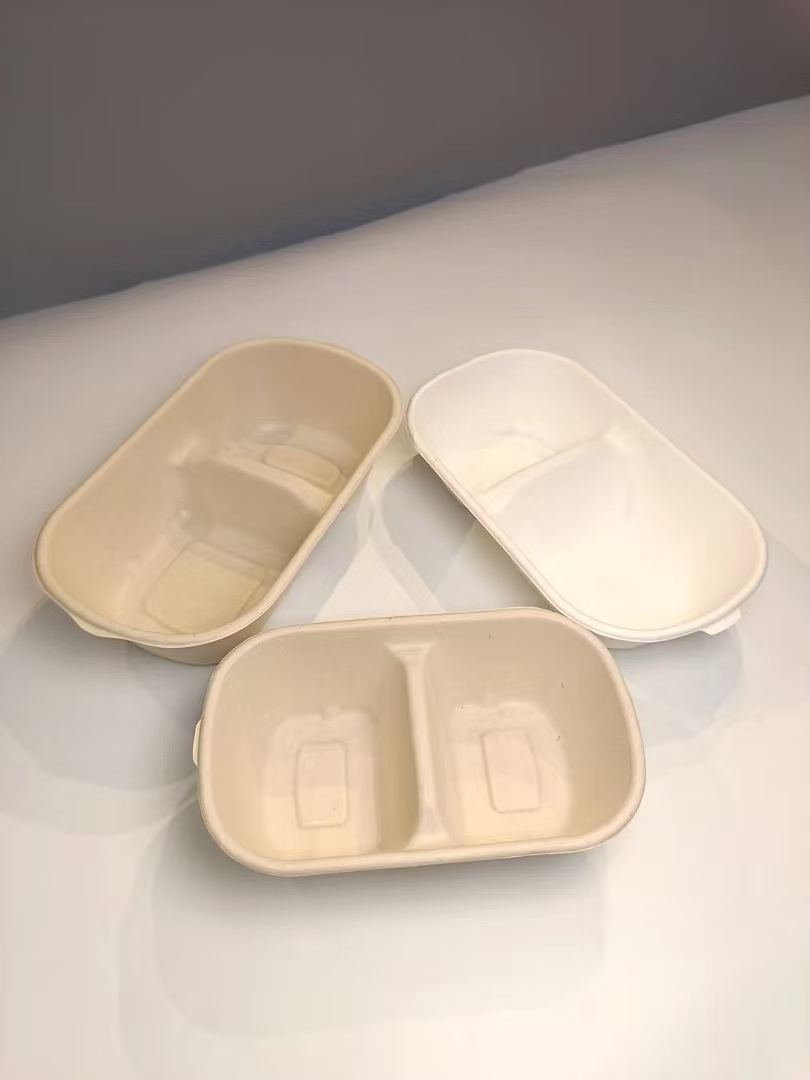
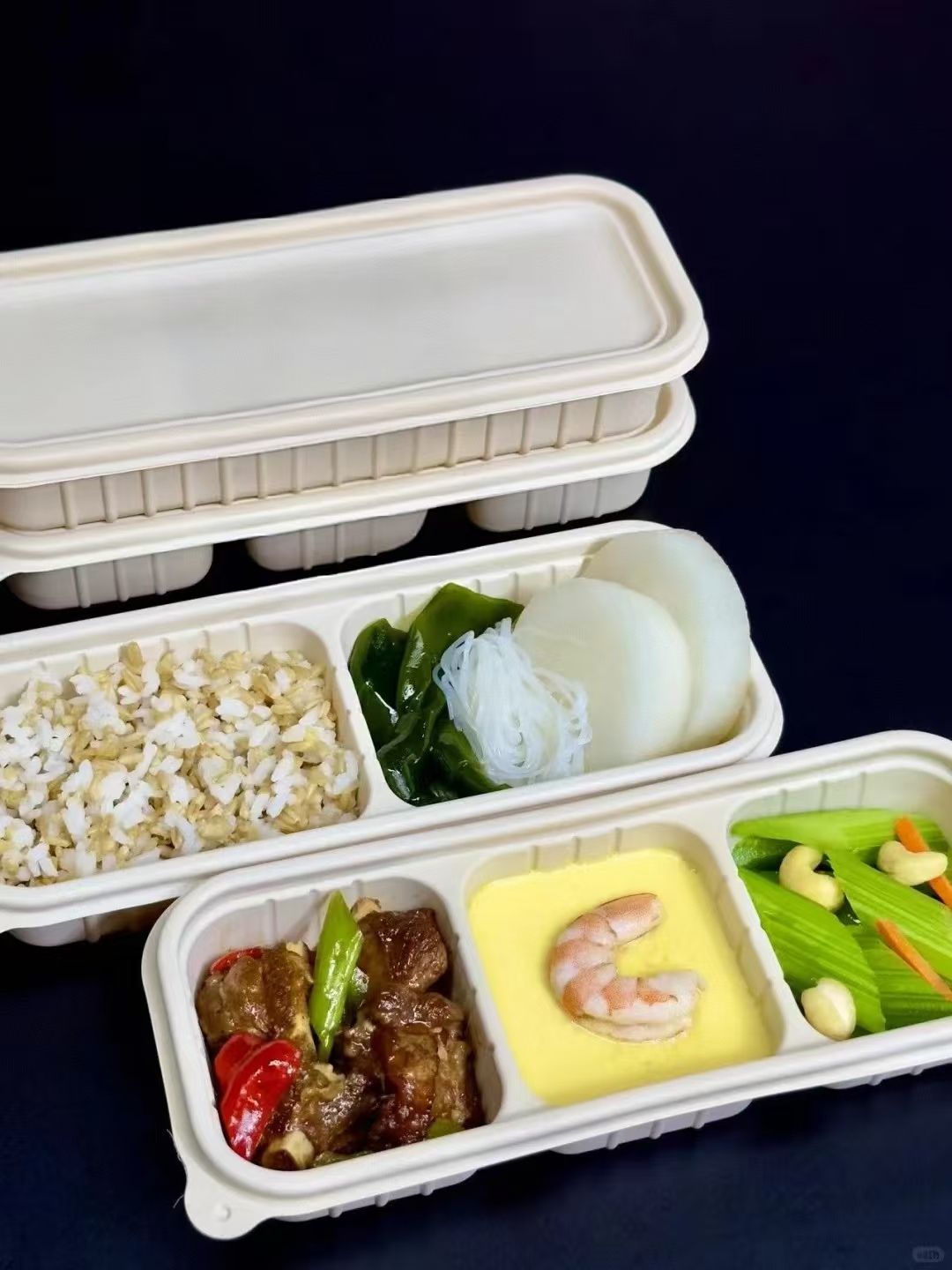
Raw Material Ratio: Bagasse 60-70%, Bamboo Fiber 20-30%, Natural Additives 5-10%
Production Process: Utilizes vacuum forming technology, with a forming time of 15-25 seconds
Energy Consumption Index: Electricity consumption per ton of product ≤500 kWh, 40% lower than traditional plastics
II. Core Technology Advantages
Plant fiber molded cup lids offer significant technological advantages that make them superior to traditional plastic alternatives.
1. Outstanding Environmental Performance
According to the data from the China Plastics Processing Industry Association in 2024:
- Under industrial composting conditions, the biodegradation rate within 45 days is ≥80%.
- In natural environments, the complete degradation rate within 90 days is ≥95%.
- The carbon footprint is reduced by 65% compared to traditional plastics, with a reduction of 1.5 tons of CO₂ emissions per ton of product.
2. Sustainable Raw Material System
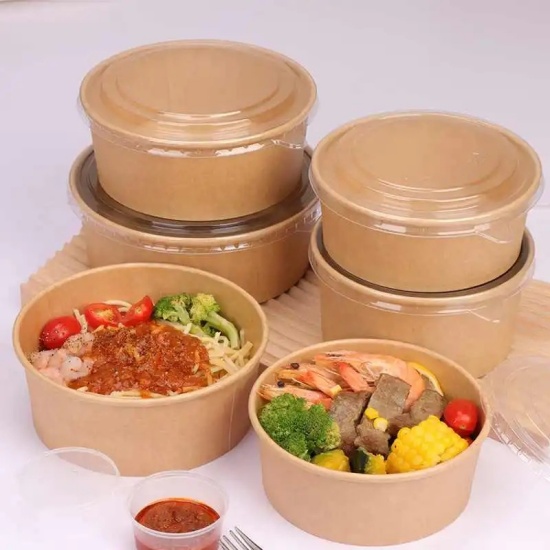
- Raw Material Source: Annual utilization of bagasse reaches 3 million tons (China Sugar Association, 2024)
- Resource Efficiency: Each ton of agricultural waste can produce 0.8 tons of raw material for cup lids
- Recycling: The recycling rate of production water is ≥95%
3. Safety Performance Assurance
Passed the GB 4806.8-2022 certification for food contact materials:
- Heavy metal migration is less than 50% of the standard limit.
- Pentachlorophenol content: Not detected.
- Fluorescent brightener: Zero addition.
- Bisphenol A detection: Not detected (detection limit 0.01mg/kg).

4. Functional Design Innovations
- Sealing Performance: Leak-proof level up to IPX4
- Temperature Resistance: -20℃to 120℃/p>
- Compatible Cup Types: Suitable for mainstream cup diameters (Ø65-95mm)
- Drinking Experience: Optimized drinking mouth design with precise flow control
III. Industry Applications and Development Trends
The market demand for plant fiber molded cup lids continues to grow rapidly across various sectors.
1. Market Performance and Consumer Acceptance
According to the 2024 data from Meituan Takeout:
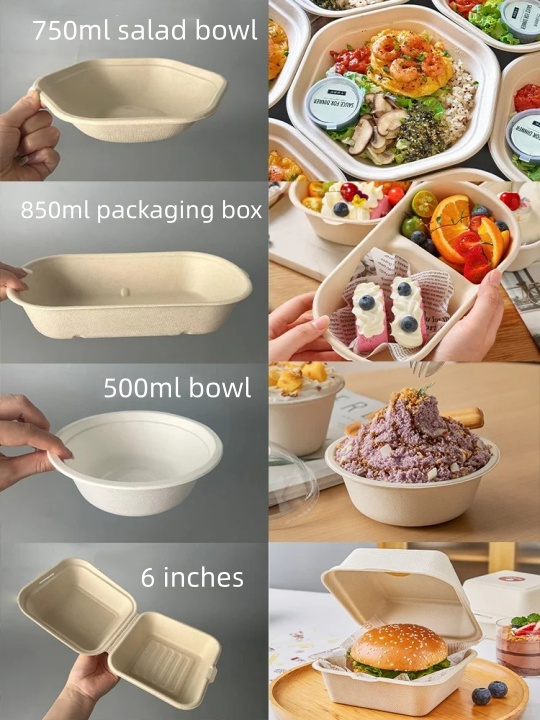
- Annual usage: 1.5 billion units, with a year-on-year growth rate of 45%
- Merchant adoption rate: increased from 25% in 2023 to 40%
- Consumer satisfaction: 88%, a 20% increase compared to plastic lids
2. Technological Innovation Drives Development
Breakthroughs in Production Processes:
- In-mold precise control technology, raising product qualification rate to 98.5%
- Quick mold change system, reducing model switching time to 15 minutes
- Intelligent quality inspection, achieving 100% online quality control
Advances in Materials Science:
- Nanocellulose reinforcement technology, increasing product strength by 30%
- Bio-based waterproof coating, with liquid resistance time ≥ 6 hours
- Application of natural pigments, enabling diverse and personalized color choices
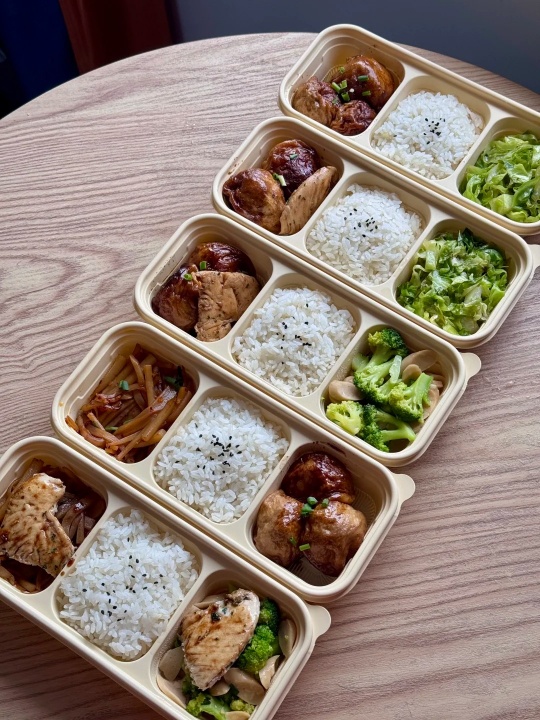
3. Diversified Application Expansion
- Catering Services: Covering scenarios such as coffee, tea, and fast food
- Special Fields: High-standard places such as airline catering and medical institutions
- Intelligent Integration: Application of technologies like QR code traceability and temperature-sensitive labels
IV. Industrial Upgrading and Market Prospects
The plant fiber molded cup lids industry is experiencing significant growth and transformation.
1. Increased Policy Support
According to the "Action Plan for Plastic Pollution Control during the 14th Five-Year Plan" issued by the National Development and Reform Commission:
- Target for the substitution rate of degradable packaging by 2025: 30%
- Tax incentives: 50% reduction in value-added tax for environmental protection products
- Industrial support: Annual budget for the technological innovation fund is 500 million yuan
| Region | Adoption Rate | Market Growth |
|---|---|---|
| Europe | High | 15% annually |
| North America | Medium | 20% annually |
| Asia | Growing | 25% annually |
2. Continuous Optimization of Cost Efficiency
Economic Analysis:
- Raw Material Cost: Large-scale procurement reduces costs by 20%
- Production Efficiency: Automated production lines increase capacity by 35%
- Comprehensive Cost: Expected to be on par with traditional plastics by 2025
3. Significant Enhancement in Consumer Awareness
Market research indicates (China Packaging Federation, 2024):
- Consumer awareness: 82%
- Willingness to pay a premium: 15-25%
- Brand adoption willingness: 78%
V. Technical Specifications and Quality Standards
Plant fiber molded cup lids meet rigorous technical specifications and quality standards.
1. Physical Performance Indicators
- Sealing Strength: ≥ 3.5N/15mm
- Drop Test: No damage at a height of 1m
- Stacking Stability: No deformation with 20 pieces per stack
- Load Capacity: No deformation under a static pressure of ≥2kg
2. Performance Requirements for Use
- Microwave Compatibility: No deformation at 800W for 90 seconds
- Refrigeration Performance: Maintain flexibility at -25℃
- Leak Resistance: No leakage when tilted at 45° at 55
VI. Environmental Benefit Assessment
Plant fiber molded cup lids offer substantial environmental benefits compared to traditional plastic alternatives.
1. Carbon Emission Reduction Contribution
Based on Life Cycle Assessment (LCA):
- Raw material stage: Carbon absorption 0.8 tons CO₂e/ton
- Production stage: Carbon emission 0.6 tons CO₂e/ton
- Disposal stage: Carbon reduction 1.2 tons CO₂e/ton
- Net carbon benefit: -1.4 tons CO₂e/ton
2. Resource Conservation Effects
- Fossil energy conservation: 2.1 tons of standard coal per ton of product
- Water resource conservation: 60% reduction compared with traditional processes
- Waste reduction: 0.9 tons of plastic waste reduced per ton of product
VII. Future Development Direction
The future of plant fiber molded cup lids involves continued innovation and expansion.
1. Key Points of Material Innovation
- Development of high-performance plant fiber composite materials
- Research on intelligent responsive materials
- Breakthroughs in degradable barrier coating technology
2. Process Optimization Directions
- Low-temperature and low-pressure forming technology
- Digital intelligent manufacturing
- Construction of flexible production systems
3. Application Scenario Expansion
- Customized Solutions for New-Style Tea Drinks
- Integration of Intelligent Packaging Systems
- Application of Cross-border Logistics Packaging
Conclusion and Outlook
Plant fiber molded cup lids, as an ideal alternative to plastic packaging, demonstrate significant advantages in terms of environmental friendliness, functionality and economy. The technological innovation and market promotion achievements indicate that this product has already met the conditions for large-scale commercial application.
With the continuous support of industrial policies and the upgrading of consumer demands, plant fiber molded cup lids will achieve breakthroughs in the following aspects:
1. Technological Upgrading: By 2025, the cost will be on par with that of traditional plastics.
2. Market Expansion: It is expected that the market size will exceed 5 billion yuan by 2026.
3. Application Deepening: Expansion into more packaging fields.
The widespread application of this product will effectively promote the green transformation of the packaging industry and make significant contributions to building a circular economy system and achieving the "dual carbon" goals.